

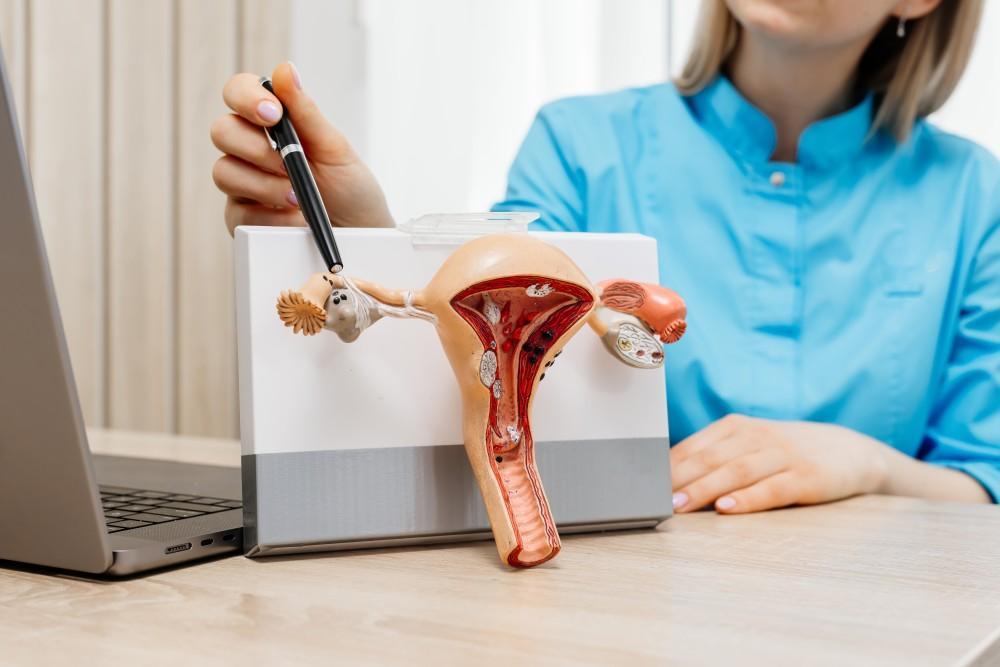
Minimally Invasive Hysterectomy: What to Expect Before and After Surgery
Preparing for a hysterectomy? Learn what to expect before and after a minimally invasive procedure with the compassionate team at WHASN Sunset Valley.

The desire to have sex may seem simple, but many things affect your libido, from the hormonal urges that drive it to the psychological factors that affect your sexual choices and outlook. Sexuality is the lens through which we experience romantic and erotic identity, desires, and actions, which covers a lot of areas.
While your interest in sex may not be the same at all times, when you have no urges at all and it affects your personal life, it can be alarming and depressing. Hormone replacement therapy provides a solution for managing issues with low libido, but you should find out if it’s the right one for you.
Dr. Staci McHale and the WHASN Sunset Valley team have been helping the women of Las Vegas, Nevada, for years with a range of issues affecting their sexuality and reproductive health, including problems with sex drive.
It’s important to know that changes in your sex drive are totally normal, but if you feel like the desires vary more than usual, or are making intimate issues a problem, here are some factors that affect libido:
Hormones are essential for sexual desire, and some forms of hormonal contraception can also affect your interest in sex. Female sexual interest/arousal disorder, or FSIAD, can also be responsible for these problems if your low libido lasts more than six months and is causing lasting depression.
Not all of the conditions that lead to low libido are even related to commonly associated sexual issues. Other possible illnesses include different forms of cancer, chronic kidney disease, diabetes, chronic pain, heart disease, hypertension, headaches, and an underactive thyroid. The same hormone that aids in lactation, prolactin, can also affect libido at high levels.
Illegal drug use, smoking, and physical inactivity may reduce libido by lowering hormone levels. All of these factors potentially cause not just a lack of sexual desire, but can also make you feel uncomfortable and depressed about not wanting to do it.
The same hormones your body uses for sexual development, like estrogen, progesterone, and testosterone, can be used to improve the desire for sex. Many of the problems we’ve covered stem from hormonal imbalances, and this treatment works to correct the levels in your body. It’s often used to also manage the transition into menopause and specific types of cancer care.
This solution is effective for many women; however, certain conditions or medications may affect its effectiveness. To determine if it can help restore your libido, schedule an appointment with Dr. McHale and the WHASN Sunset Valley team today.


